Upholstery Yardage Calculator — 7 Furniture Types
Select your furniture type, enter dimensions, and get an instant yardage estimate with pattern repeat built in.
How Much Upholstery Fabric Do You Really Need — Furniture-by-Furniture Guide
Upholstery is the most fabric-hungry home sewing project — a standard 3-seat sofa can eat 12 to 16 yards of 54" fabric, and that's before accounting for pattern repeat. Unlike curtain fabric calculations (which follow a simple formula), upholstery yardage depends on the specific shape of each furniture piece. This upholstery fabric calculator covers 7 furniture types with built-in pattern repeat and leather options.
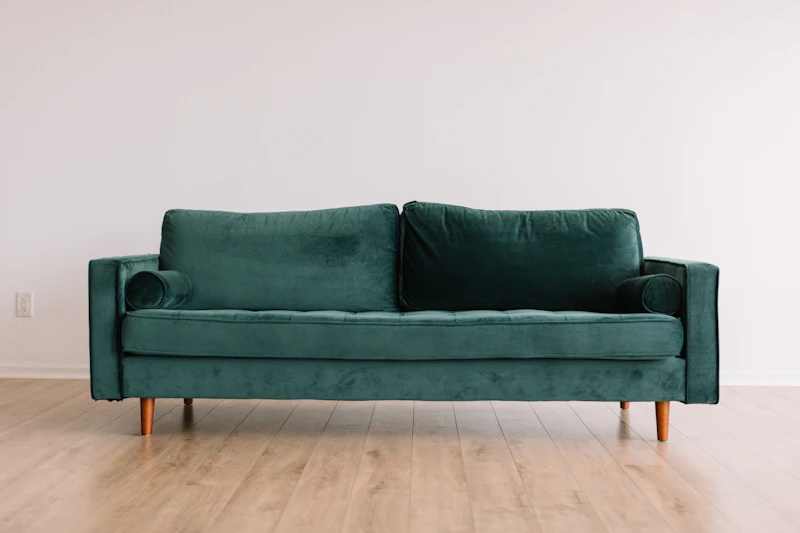
7 Furniture Types — Fabric Yardage Estimates
| Furniture | Fabric (54" wide) | Leather | Skill Level |
|---|---|---|---|
| 3-Seat Sofa (84" L) | 12–16 yards | 220–260 sq ft | Advanced |
| Loveseat (60" L) | 10–13 yards | 160–200 sq ft | Advanced |
| Armchair / Wingback | 5–8 yards | 80–120 sq ft | Intermediate |
| Ottoman | 1.5–3 yards | 25–40 sq ft | Beginner |
| Dining Chair (seat + back) | 1–2 yards each | 15–25 sq ft each | Beginner |
| Headboard (Queen) | 2–3 yards | 30–50 sq ft | Beginner |
| Sectional (per section) | 6–10 yards | 90–150 sq ft | Advanced |
Estimates assume plain fabric with no pattern repeat. Add 20–30% for large pattern repeats. Leather estimates are for whole hides — one hide averages 50–55 square feet.
Fabric vs Leather: Two Completely Different Math Systems
Fabric is sold by the linear yard (36" × fabric width). Leather is sold by the square foot in irregular hide shapes — you can't simply convert yards to square feet because a leather hide has holes, scars, and uneven edges. A 3-seat sofa needs about 12–16 yards of 54" fabric OR 220–260 square feet of leather (roughly 4–5 hides). The key difference: leather waste is much higher (25–35%) because you must work around natural defects and hide edges. Budget an extra hide if you're new to leather upholstery — matching dye lots across hides from different batches is unreliable.
Pattern Repeat: The Hidden Yardage Tax
If your upholstery fabric has stripes, florals, or geometric patterns, you need extra fabric to match the design at every seam. Here's how it scales:
| Repeat Size | Extra Fabric | Example Patterns |
|---|---|---|
| None (solid) | +0% | Plain linen, velvet, chenille |
| Small (≤ 6") | +15–20% | Small dots, narrow stripes, micro-geometrics |
| Medium (6–12") | +20–25% | Medium florals, plaids, damask |
| Large (12–24") | +25–30% | Large florals, bold stripes, ikat |
| Extra Large (24"+) | +30–40% | Scenic prints, oversized botanicals, mural fabrics |
With a large 24" repeat on a sofa that needs 14 yards base, you're buying 18+ yards — that's an extra $200+ at $50/yard. This is the #1 budget-killer in upholstery projects. Always check the repeat before falling in love with a patterned fabric.
Sofa Yardage Breakdown: Where Those 14 Yards Actually Go
A 3-seat sofa isn't just one big rectangle — it's 8+ separate pieces that all need fabric on both sides:
- Seat cushions (3): 2.5 yards — tops and bottoms plus boxing strips around the sides
- Back cushions (3): 2 yards — same construction as seat cushions, slightly smaller
- Inside back: 2 yards — the vertical panel behind the back cushions
- Inside arms (2): 1.5 yards — the inner face of each armrest
- Outside arms (2): 1 yard — the exterior panels visible from the sides
- Outside back: 1.5 yards — the rear panel facing the wall
- Front panel / deck: 1 yard — the front face below the seat cushions
- Welt cord / piping: 0.5–1 yard — the decorative cord that runs along seams
Total: roughly 12–14.5 yards for the pieces listed above, plus 15% waste = 14–16.5 yards to buy. This is why professional upholsterers always order extra — running short on the outside back panel means reordering fabric that's now from a different dye lot.
Special Considerations: Welt Cord, Arm Caps, and Skirts
Several upholstery details can swing your yardage estimate significantly:
- Welt cord / piping: The decorative cord that defines seams — requires about 0.5–0.75 yard of fabric cut on the bias (diagonal). Bias-cut piping uses more fabric per linear foot than straight-grain, but bias piping curves smoothly around corners without puckering.
- Arm caps: Separate protective covers for armrests (common on vintage chairs) — add 0.5 yard per arm cap.
- Dust cover / cambric: The black fabric on the underside of the furniture — use inexpensive dust cover material, not your main fabric. One yard covers most sofas.
- Skirt / valance: If your sofa has a fabric skirt around the bottom, add 1.5–2 yards depending on the drop length.
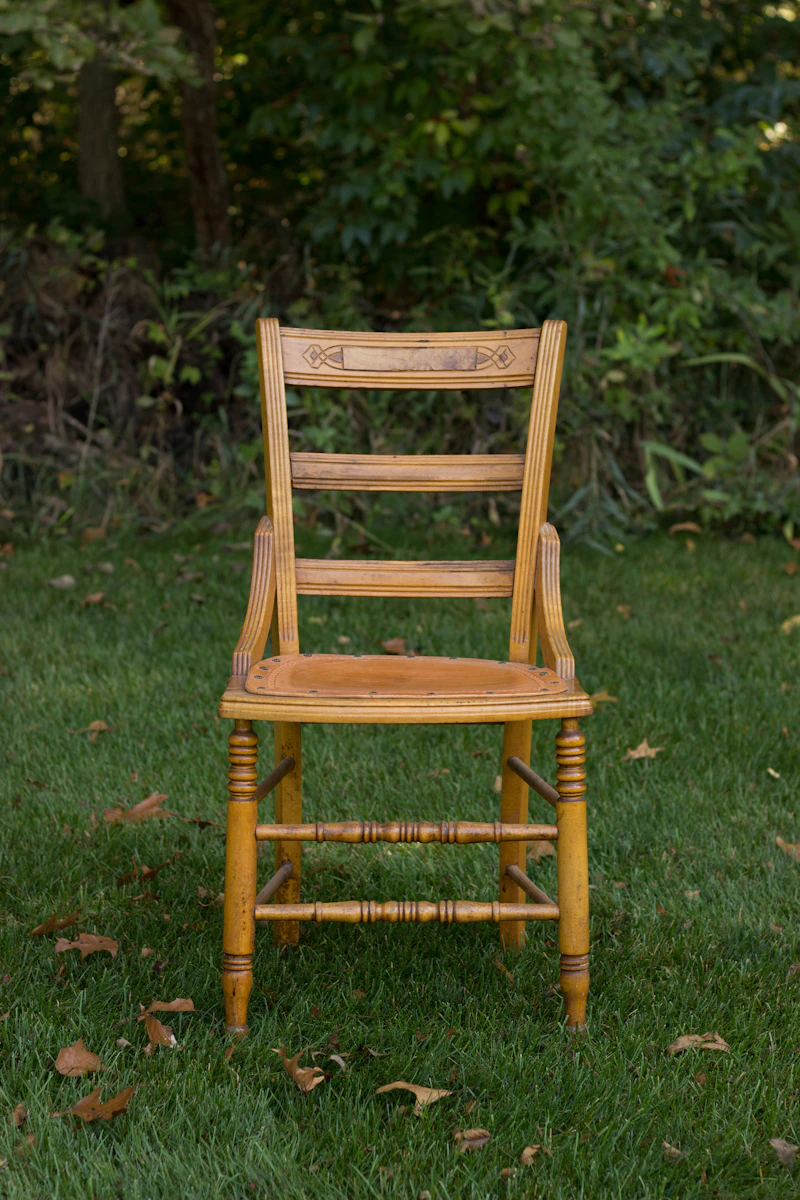
Beginner Upholstery: Start With a Dining Chair
If you've never reupholstered furniture before, do not start with a sofa. A dining chair seat is a 1–2 hour project that teaches you the fundamental skills: removing old fabric, checking the padding, stapling with even tension, and folding clean corners. Six dining chairs = one armchair's worth of learning for a fraction of the fabric cost. Once you've done a few chairs, graduate to an ottoman (simple box shape), then an armchair, and only then attempt a sofa. The fabric you save by not ruining a sofa on your first try will more than pay for the practice projects.
Upholstery Fabric Durability: What the Rub Count Means
Upholstery fabrics are tested for abrasion resistance using the Wyzenbeek method (US standard: a cotton duck or wire mesh rubs the fabric in a back-and-forth motion) or Martindale (European standard: circular rubbing motion). The key numbers:
| Double Rubs | Rating | Use For |
|---|---|---|
| Under 15,000 | Light duty | Decorative pillows, occasional-use chairs |
| 15,000–25,000 | Medium duty | Dining chairs, living room chairs |
| 25,000–40,000 | Heavy duty | Family room sofas, daily-use furniture |
| 40,000+ | Commercial grade | Hotels, restaurants, high-traffic areas |
For a family sofa that sees daily use, don't go below 30,000 double rubs. Performance velvets and microfiber often hit 100,000+ — they cost more upfront but last 3–5× longer than budget cotton blends.